In today's competitive manufacturing environment, selecting the right linear actuator suppliers is a critical decision for OEM manufacturers, machine builders, and automation integrators. A high-quality linear actuator can improve machine performance, increase productivity, and reduce maintenance costs, while an unsuitable supplier can lead to delays, reliability issues, and increased operating expenses.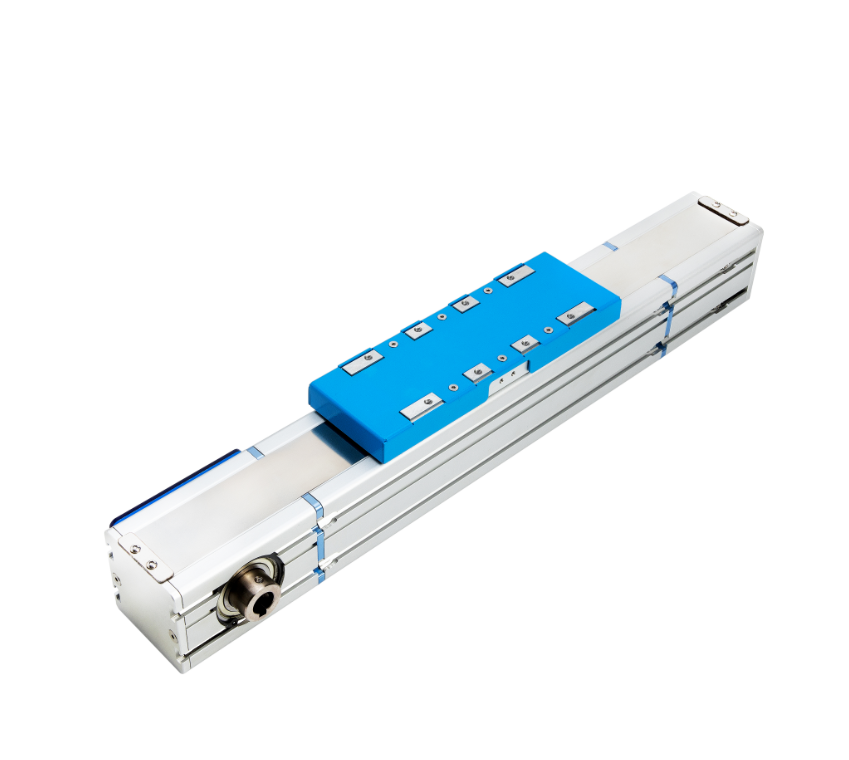
Whether you are developing a new automation system, upgrading existing equipment, or sourcing components for large-scale production, understanding how to evaluate linear actuator suppliers can help ensure project success.
A linear actuator is a motion device that converts rotary motion from a motor into precise linear movement. It is widely used in industrial automation systems where controlled positioning, lifting, pushing, pulling, or material handling is required.
Common actuator types include:
These systems are widely used in manufacturing, packaging, robotics, automotive production, semiconductor equipment, and logistics automation.
Not all suppliers offer the same level of engineering capability, manufacturing quality, or customization support.
A professional supplier can provide:
For OEM customers, supplier selection often impacts the entire lifecycle of an automation project.
Many industrial applications require more than standard catalog products.
A qualified custom linear actuator supplier should offer:
Customization ensures the actuator fits the exact requirements of your equipment.
A supplier should understand motion control and automation applications.
Look for companies that can assist with:
Strong engineering support helps avoid costly design mistakes.
The performance of a linear actuator depends heavily on manufacturing precision.
Important considerations include:
High manufacturing standards contribute directly to actuator reliability and lifespan.
Experienced linear actuator suppliers usually provide multiple product options.
Examples include:
Suitable for:
Suitable for:
Suitable for:
A broad product portfolio allows suppliers to recommend the most suitable solution.
Suppliers with experience in your industry are often better equipped to understand application challenges.
Industries commonly served include:
Industry knowledge can significantly shorten development cycles.
Provide precise positioning and transfer functions.
Support robotic handling and component placement.
Enable automated sorting, sealing, and labeling processes.
Assist with loading and unloading operations.
Provide repeatable positioning for imaging equipment.
Improve workflow efficiency and reduce manual labor.
Standard actuators may not fully satisfy specialized production requirements.
Custom actuator solutions offer:
Designed specifically for application needs.
Simplifies installation and system design.
Improves cycle times and operational efficiency.
Reduces unexpected downtime.
Supports equipment upgrades and production expansion.
These advantages make customization increasingly important in modern automation projects.
Before selecting a supplier, consider asking:
The answers will help determine whether a supplier is suitable for long-term cooperation.
A professional supplier typically offers:
✔ Custom engineering services
✔ Advanced manufacturing capabilities
✔ Technical consultation
✔ Application support
✔ Quality certifications
✔ Consistent delivery performance
✔ Global customer experience
These factors contribute to successful automation projects and long-term partnerships.
As smart manufacturing continues to expand, modern actuator systems are evolving through:
Forward-thinking suppliers are investing heavily in these technologies to meet future automation demands.
OEM manufacturers often require unique specifications that standard products cannot provide.
A custom linear actuator supplier can help develop solutions tailored to:
This collaborative approach often results in better performance and lower total ownership costs.
Selecting the right linear actuator suppliers is a key step in building reliable and efficient automation equipment. The best supplier should provide not only high-quality products but also engineering expertise, customization capabilities, and long-term technical support.
For OEM manufacturers, machine builders, and automation integrators, partnering with an experienced linear actuator manufacturer can significantly improve project success, equipment reliability, and overall production efficiency.