In modern industrial automation, PPU manipulators (Pick and Place Units) are widely used for high-speed transfer, assembly, sorting, and packaging applications. Their compact structure, fast cycle times, and reliable operation make them a popular choice for OEM machine builders and automation integrators.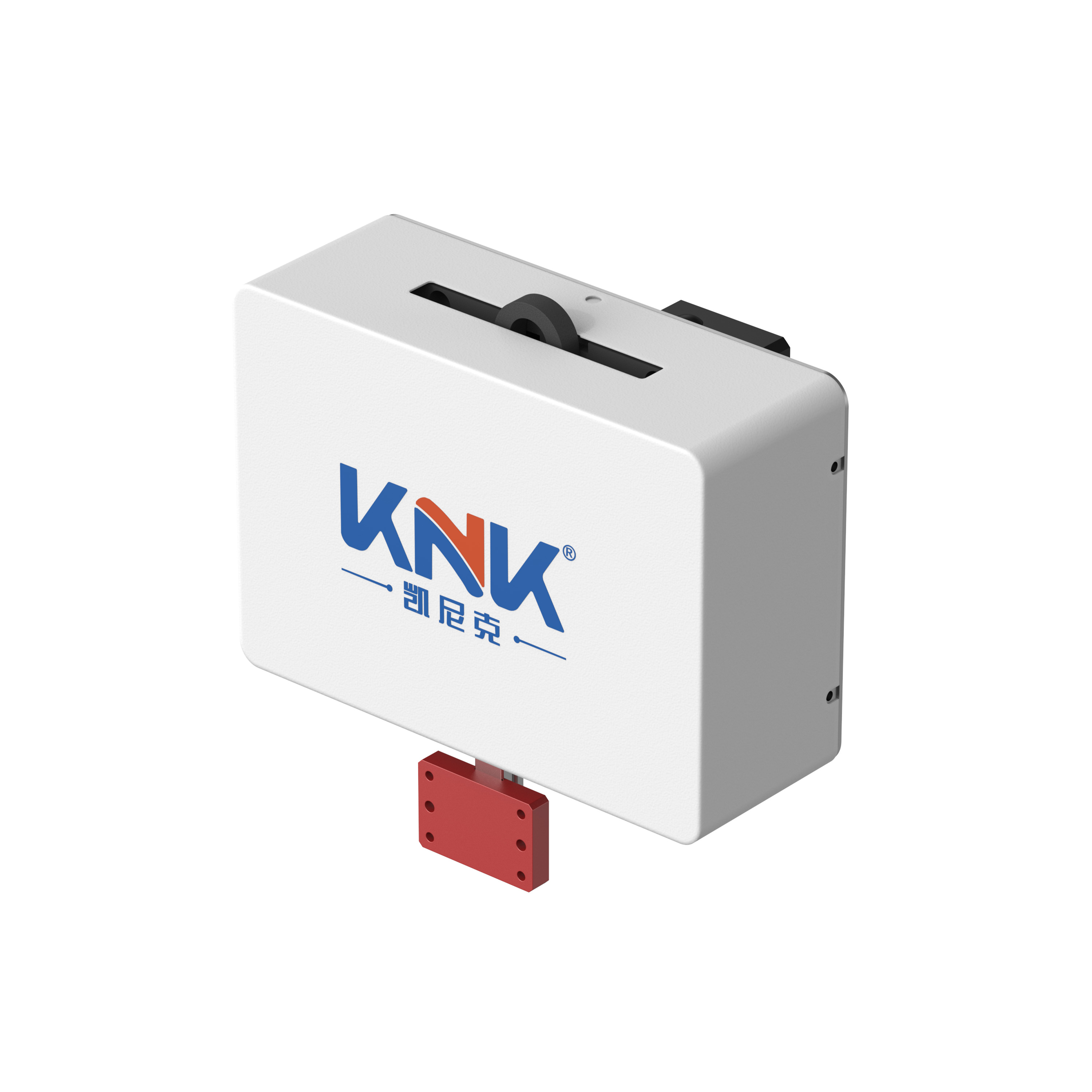
When selecting a PPU system, one common question arises:
Should you choose a pneumatic PPU manipulator or an electric PPU manipulator?
Both technologies are designed to perform rapid pick-and-place operations, but they differ significantly in terms of precision, speed control, energy consumption, maintenance requirements, and application suitability.
This article compares pneumatic PPU manipulators and electric PPU manipulators to help OEM customers choose the right solution for their automation projects.
A PPU manipulator is a compact automation device designed to move products from one position to another through a predefined motion path.
Typical applications include:
PPU systems are valued for their:
Depending on the drive technology, they can be classified as pneumatic or electric.
A pneumatic PPU manipulator uses compressed air to drive the pick-and-place motion.
Main components include:
The movement is generated by air pressure, making the system relatively simple and cost-effective.
Pneumatic systems can achieve very fast repetitive motion, making them suitable for high-volume production.
Compared with servo-driven systems, pneumatic PPUs typically require a lower upfront investment.
Fewer electronic components simplify installation and troubleshooting.
Ideal for repetitive operations with fixed positions.
Most pneumatic systems operate between fixed end positions.
Changing motion parameters often requires mechanical adjustments.
Compressed air systems increase energy costs.
Precision is generally lower compared with servo-driven solutions.
An electric PPU manipulator uses a servo motor or stepper motor to drive the pick-and-place motion.
Main components include:
The motion profile is electronically controlled, allowing greater flexibility and accuracy.
Electric systems provide precise motion control and repeatability.
Operators can adjust:
without changing hardware.
Electric systems consume energy only during operation.
Compatible with:
Servo motors and controllers increase equipment investment.
Programming and setup may require additional engineering support.
For basic transfer applications, the added functionality may not always be necessary.
| Feature | Pneumatic PPU Manipulator | Electric PPU Manipulator |
|---|---|---|
| Initial Cost | Lower | Higher |
| Positioning Accuracy | Moderate | High |
| Motion Flexibility | Limited | Excellent |
| Speed Adjustment | Limited | Fully Programmable |
| Energy Efficiency | Lower | Higher |
| Maintenance | Air System Maintenance Required | Lower Long-Term Maintenance |
| Industry 4.0 Compatibility | Limited | Excellent |
| Integration with Vision Systems | Basic | Advanced |
The best choice depends on application requirements rather than price alone.
Many engineers assume pneumatic systems are always faster.
In reality:
Advantages:
Advantages:
For simple repetitive tasks, pneumatic systems may offer a slight speed advantage. For complex automation processes, electric systems often achieve better overall productivity.
Accuracy is one of the biggest differences.
Typical characteristics:
Typical characteristics:
For electronics, semiconductor, and precision assembly applications, electric PPU manipulators are often the preferred solution.
Require:
These factors increase operating expenses over time.
Require:
For facilities with high production volumes, electric PPUs often provide lower total ownership costs.
Common applications include:
These industries often prioritize speed and cost-effectiveness.
Common applications include:
These industries require higher accuracy and flexibility.
Standard PPU units may not fully meet specific project requirements.
Custom PPU solutions can provide:
Optimized for production layout.
Designed for unique products.
Tailored to cycle time requirements.
Compatible with robots, conveyors, and vision systems.
Available for cleanrooms or harsh industrial environments.
Customization helps maximize productivity and return on investment.
Consider the following factors:
✔ Budget is limited
✔ Motion path is fixed
✔ High-speed repetitive transfer is required
✔ Precision requirements are moderate
✔ High positioning accuracy is required
✔ Motion profiles need adjustment
✔ Industry 4.0 integration is planned
✔ Energy efficiency is important
✔ Future flexibility is desired
The industry is increasingly moving toward intelligent electric motion systems.
Emerging trends include:
However, pneumatic systems will continue to play an important role in cost-sensitive, high-speed applications.
Both pneumatic PPU manipulators and electric PPU manipulators offer unique advantages. Pneumatic systems provide a cost-effective solution for high-speed repetitive transfer tasks, while electric systems deliver superior precision, flexibility, and automation integration.
For OEM manufacturers and automation integrators, the best choice depends on production goals, accuracy requirements, operating costs, and future expansion plans. Partnering with an experienced PPU manipulator manufacturer can help ensure the most suitable solution for your application.