Automation PPU Solution: The Ultimate Upgrade for Modern Industrial Pick-and-Place Operations
In today’s fast-paced manufacturing landscape, manual pick-and-place tasks are no longer sustainable for businesses chasing efficiency, precision, and scalability. Human-led assembly, sorting, and placement work often leads to slow cycle times, costly errors, workplace injuries, and inconsistent output—especially in high-volume production environments. This is where a
automation PPU solution becomes a game-changing investment for industrial facilities worldwide.
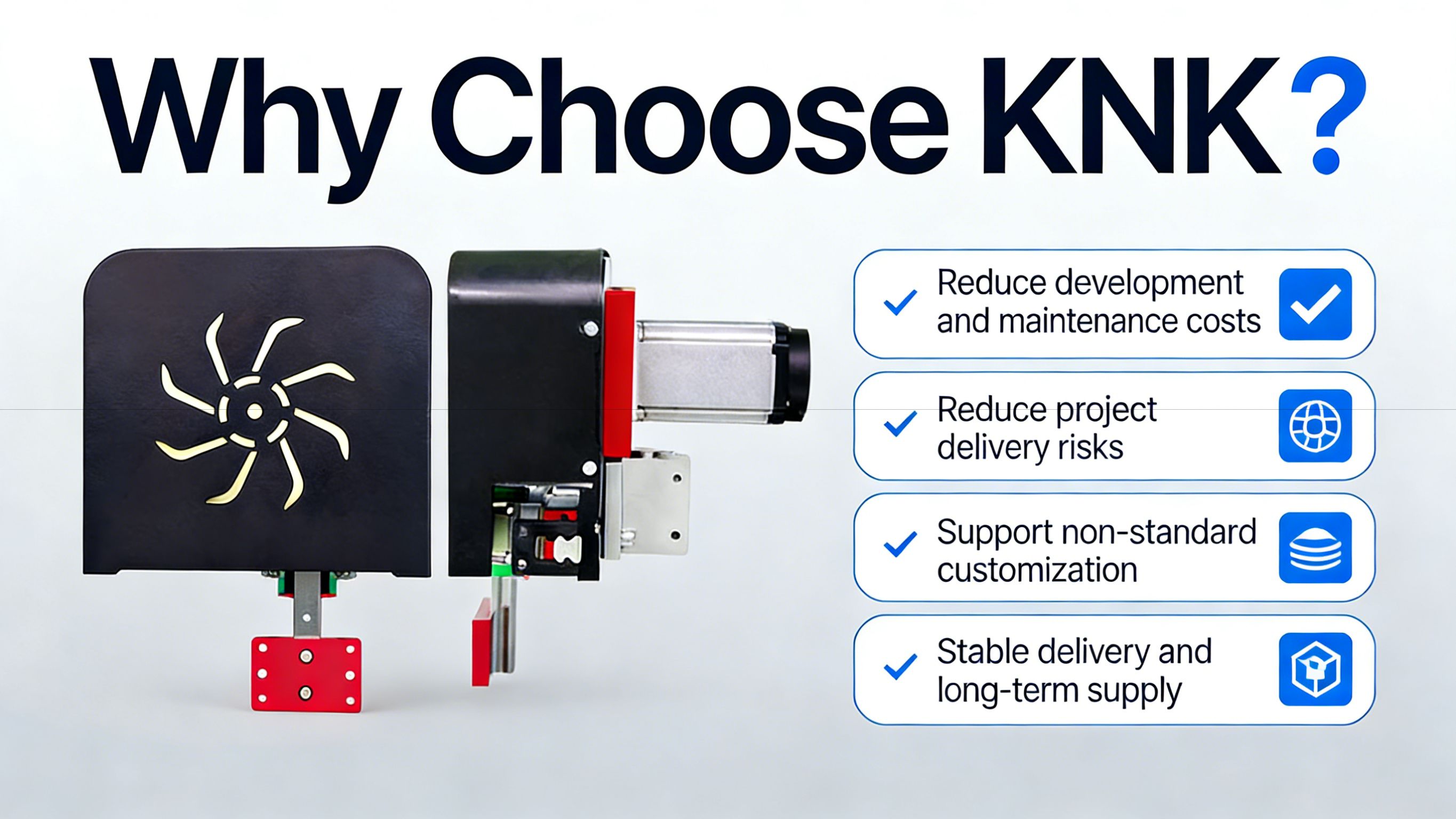
Short for Pick-and-Place Unit Automation Solution, an automation PPU solution is a fully integrated, programmable system designed to automate repetitive pick, move, and place tasks across assembly lines, packaging lines, and material handling workflows. Unlike standalone machinery, these solutions are tailored to industrial needs, combining robotic arms, sensors, conveyors, and smart control software to deliver reliable, high-performance operations 24/7. Below, we break down everything you need to know about automation PPU solutions, their core benefits, real-world applications, and how to choose the right system for your business.
What Is an Automation PPU Solution, and How Does It Work?
An automation PPU solution is a end-to-end automated system engineered to replace or augment manual pick-and-place labor with precision machinery. At its core, the system integrates four key components to execute seamless material handling: robotic pick-and-place modules (PPUs), vision sensors for object detection, motion control software, and conveyor/feeding mechanisms.
Unlike generic automation gear, custom automation PPU solutions are programmed to handle specific materials—from tiny electronic components and medical parts to heavy packaging boxes and automotive parts. The system uses AI-powered vision and tactile sensors to identify, grip, and place items with micron-level accuracy, adjusting to variable product sizes and shapes without manual reconfiguration. This adaptability makes PPU automation a versatile fit for small-batch production and mass manufacturing alike.
Key Benefits of Implementing an Automation PPU Solution
Manufacturers across industries adopt automation PPU solutions to solve critical operational pain points, with measurable ROI that impacts both short-term productivity and long-term growth. Here are the top advantages:
1. Unmatched Speed & Production Efficiency
Manual pick-and-place tasks are limited by human stamina and speed, with average cycle times of 5-10 picks per minute. A high-speed PPU automation system can execute 30+ precise picks per minute, drastically increasing line throughput and reducing production lead times. This efficiency boost lets businesses fulfill larger orders without expanding workforce or facility space.
2. Zero Human Error & Improved Product Quality
Human fatigue, distraction, and inconsistency lead to misplaced parts, damaged goods, and defective products—costing manufacturers thousands in rework and waste. Automation PPU solutions deliver consistent, repeatable performance with micron-level precision, eliminating placement errors and ensuring every product meets quality standards. This is especially critical for electronics, medical device, and aerospace manufacturing, where even minor misplacement can ruin entire batches.
3. Reduced Labor Costs & Workplace Safety
Manual pick-and-place roles are often repetitive, strenuous, and high-risk for musculoskeletal injuries. By automating these tasks, businesses cut labor expenses associated with hiring, training, and retaining manual workers, while eliminating workplace accidents and workers’ compensation claims. Employees can be reassigned to skilled, value-added roles like system monitoring, maintenance, and quality control.
4. Scalability & Flexible Operations
Modern automation PPU solutions are modular and programmable, making it easy to adjust workflows for new products, seasonal demand spikes, or production line expansions. Unlike fixed machinery, these systems can be reprogrammed in hours to handle new part sizes, shapes, or placement locations, future-proofing your manufacturing operations against market changes.
5. 24/7 Uninterrupted Production
Robotic PPU automation systems operate without breaks, shift changes, or downtime (excluding scheduled maintenance), enabling round-the-clock production. This continuous operation maximizes equipment utilization and ensures businesses meet tight deadlines even during peak demand periods.
Top Industrial Applications for Automation PPU Solutions
The versatility of automation PPU solutions makes them a staple across high-demand manufacturing sectors. Here are the most common use cases:
-
Electronics Manufacturing: Precision placement of microchips, circuit board components, connectors, and small consumer electronics parts, where accuracy is non-negotiable.
-
Packaging & FMCG: Automated picking and placing of food items, cosmetics, household goods, and carton sealing, streamlining end-of-line packaging workflows.
-
Automotive Industry: Handling and placement of small automotive parts, fasteners, and interior components, supporting high-volume vehicle assembly lines.
-
Medical Device & Pharmaceutical: Sterile, precise placement of medical tools, pill bottles, and lab components, complying with strict industry hygiene standards.
-
Consumer Goods Assembly: Sorting and placing toys, appliances, and hardware parts, reducing assembly time and improving product consistency.
How to Choose the Right Automation PPU Solution for Your Business
Not all automation PPU solutions are created equal—selecting the right system requires aligning features with your unique production needs. Follow these key criteria to make an informed decision:
-
Assess Material Specifications: Consider the size, weight, shape, and fragility of your items to choose a PPU with the right gripper type (vacuum, mechanical, magnetic) and load capacity.
-
Define Cycle Time Requirements: Match the system’s pick-per-minute speed to your production throughput goals to avoid overinvesting or underperforming.
-
Prioritize Customization & Integration: Opt for a solution that integrates seamlessly with your existing assembly lines, PLC systems, and manufacturing software for minimal downtime during installation.
-
Evaluate After-Sales Support: Choose a provider offering training, maintenance, and software updates to keep your PPU automation system running at peak performance long-term.
-
Set a Realistic Budget: Balance upfront costs with long-term ROI—focus on solutions that deliver measurable labor savings, efficiency gains, and quality improvements.
The Future of Automation PPU Solutions
As Industry 4.0 and smart manufacturing continue to evolve, automation PPU solutions are getting smarter and more connected. Modern systems now integrate IoT sensors for real-time performance monitoring, AI machine learning for self-optimization, and cloud-based control for remote operation. Collaborative PPU robots (cobots) are also gaining traction, working alongside human workers to enhance flexibility in small-batch production environments.
In the coming years, PPU automation will become more affordable and accessible for small and medium-sized manufacturers, leveling the playing field against large-scale facilities. The focus will shift to even greater precision, energy efficiency, and sustainability, aligning with global manufacturing decarbonization goals.
Final Thoughts: Invest in Automation PPU Solution for Long-Term Manufacturing Success
For manufacturers struggling with slow production, high error rates, and rising labor costs, an automation PPU solution is not just a luxury—it’s a necessity. These systems deliver tangible, measurable improvements to efficiency, quality, and profitability, while future-proofing your operations against the demands of modern industry.
Whether you’re upgrading an existing assembly line or building a new facility, prioritizing a custom, high-performance PPU automation system will position your business for sustainable growth, reduced waste, and a competitive edge in the global manufacturing market.