In modern automation and manufacturing, achieving fast, efficient, and reliable movement is essential. Belt linear motion systems have become a popular solution for applications requiring high speed, long travel distances, and cost-effective performance.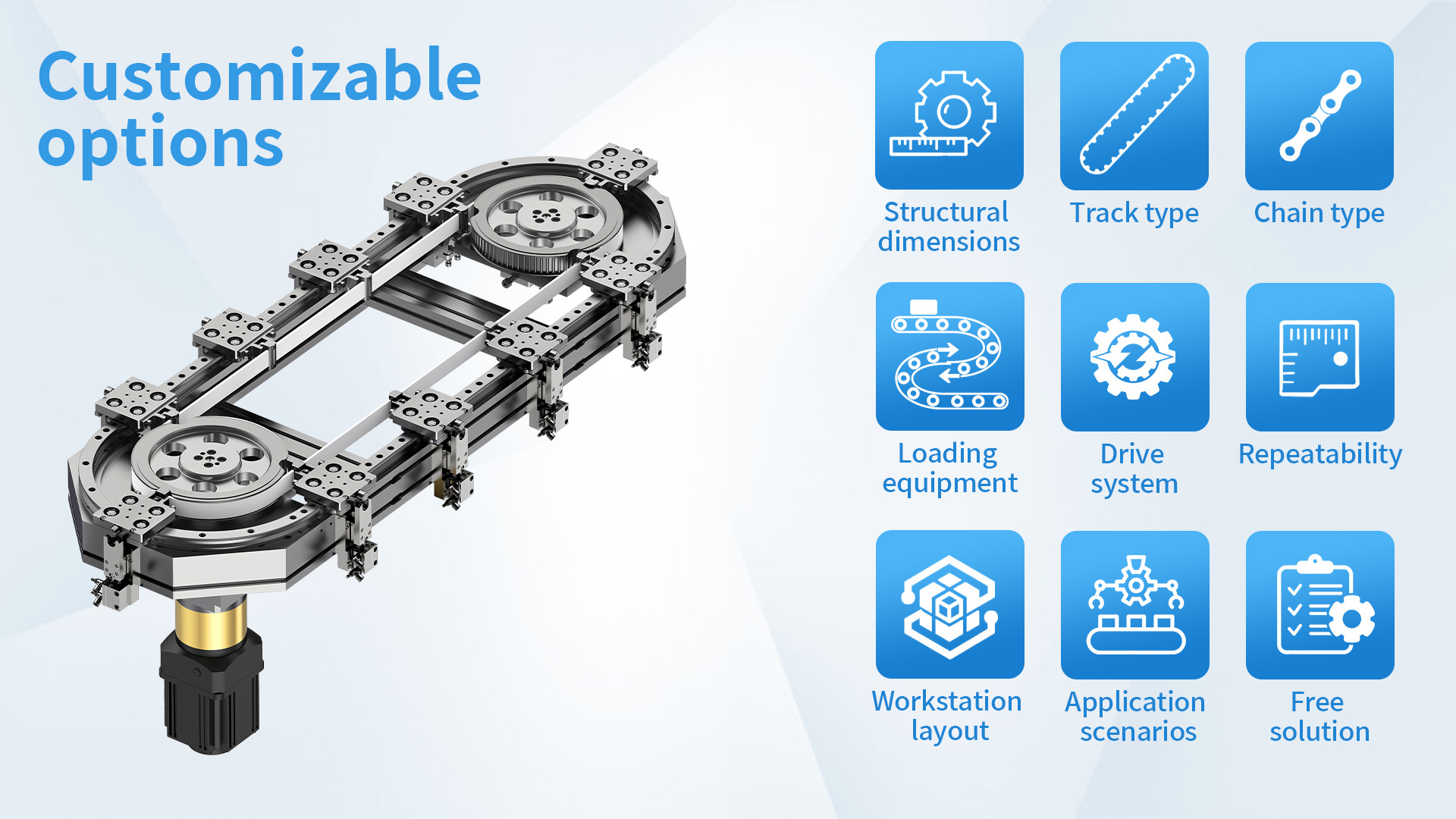
Compared to other linear drive technologies, belt-driven systems offer a unique balance of speed, flexibility, and affordability, making them ideal for a wide range of industrial applications.
Belt linear motion refers to a system where a timing belt and pulley mechanism is used to convert rotational motion from a motor into linear movement. The belt drives a carriage or slider along a linear guide, enabling smooth and continuous motion.
A typical belt-driven linear system includes:
This combination creates a lightweight and efficient linear motion solution.
One of the biggest advantages of belt linear motion systems is their ability to achieve high speeds. They are ideal for applications where rapid positioning and fast cycle times are required.
Belt-driven systems can easily support long travel distances without significant cost increases. This makes them suitable for large-scale automation systems and gantry structures.
Compared to ball screw or linear motor systems, belt linear motion systems are more affordable, especially for long-stroke applications.
Timing belts provide quiet and smooth motion, which is beneficial for environments where noise reduction is important.
Belt systems typically require less maintenance and are easier to service compared to more complex drive mechanisms.
Due to their speed and flexibility, belt linear motion systems are widely used in:
These applications benefit from fast, repeatable motion and efficient operation.
When selecting a linear motion solution, it is important to compare belt systems with other technologies:
Belt drive:
Ball screw drive:
Linear motor:
Choosing the right system depends on your specific application requirements.
Many industrial applications require tailored motion systems. Custom belt linear motion solutions can be designed to meet specific needs, including:
Customization ensures better performance and seamless integration into existing equipment.
Before selecting a belt-driven linear system, consider the following:
Speed requirements: Maximum velocity and acceleration.
Load capacity: Weight of the moving parts and payload.
Stroke length: Required travel distance.
Accuracy needs: Positioning precision and repeatability.
Working environment: Temperature, dust, or humidity conditions.
Evaluating these factors helps ensure the system meets both performance and durability expectations.
As industrial automation continues to evolve, belt linear motion systems are becoming an essential solution for high-speed and long-stroke applications. Their cost-effectiveness, flexibility, and ease of maintenance make them a preferred choice across multiple industries.
Whether used in packaging, robotics, or material handling, belt-driven linear systems provide efficient and reliable motion control. For businesses seeking optimized performance and scalability, investing in a customized belt linear motion solution is a smart and practical decision.